

Spectacular Sights on Vancouver Whale Watching Tours
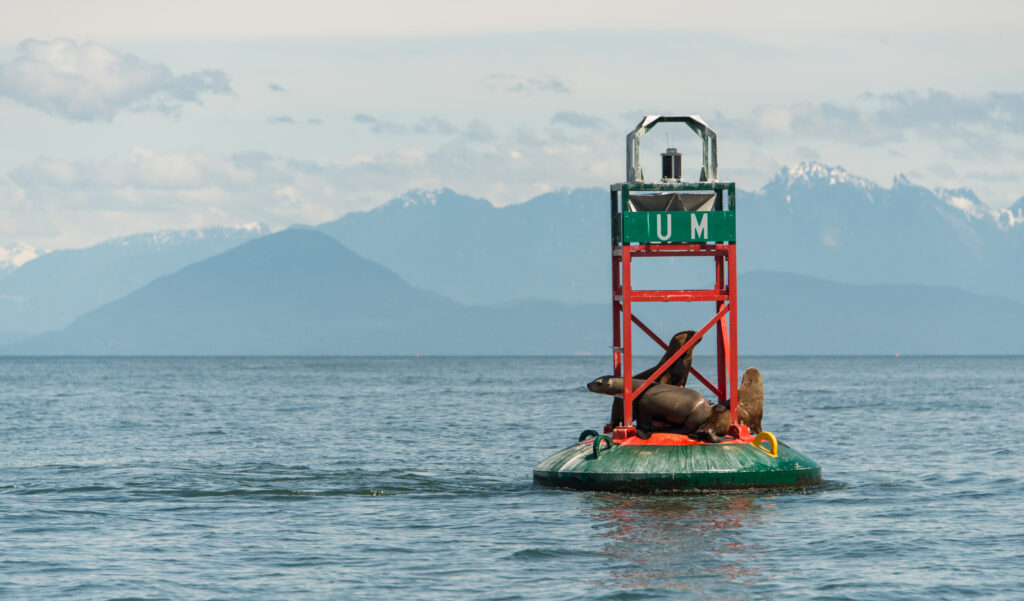
Vancouver’s coastal waters come alive with the distinctive barks, growls and impressive displays of sea lions during whale watching excursions. Visitors embarking on marine wildlife tours can witness both California sea lions and Steller sea lions alongside whales and porpoises, adding diversity and excitement to the marine mammal viewing experience. These charismatic pinnipeds create quite the spectacle as they congregate in large numbers at haul-out sites along the coast, often lounging on rocks or navigational buoys while making their characteristic raucous calls that echo across the water.
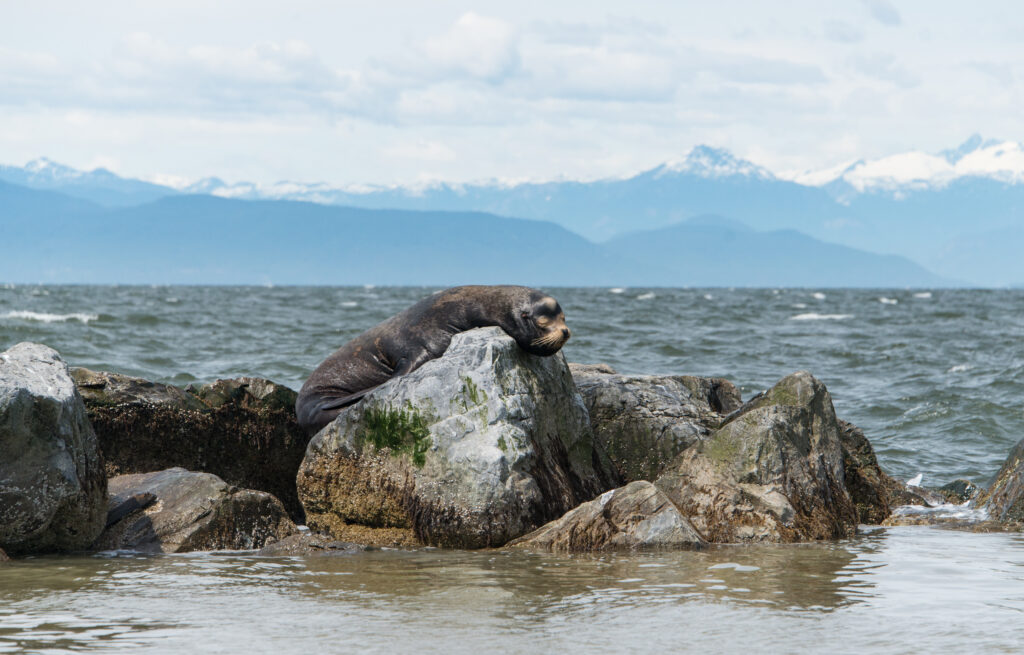
The opportunity to observe sea lions during whale watching tours has become a beloved component of Vancouver’s marine eco-tourism offerings, drawing wildlife enthusiasts eager to experience these fascinating creatures in their natural habitat alongside the region’s cetaceans. During our adventures we frequently encounter California sea lions, creating a “raucous cacophony” at popular haul-out sites. Meanwhile, the larger and more impressive Steller sea lions are spotted in the same waters but on larger haul-outs.
Key Takeaways
- Vancouver whale watching tours offer excellent opportunities to observe both California and Steller sea lions alongside whale species.
- Sea lions frequently create dramatic wildlife displays during tours with their distinctive vocalizations and impressive physical presence.
- Wild whales follow responsible viewing distances while providing excellent observation opportunities of these engaging marine mammals.
Sea Lions of Vancouver: Highlights of Whale Watching Tours
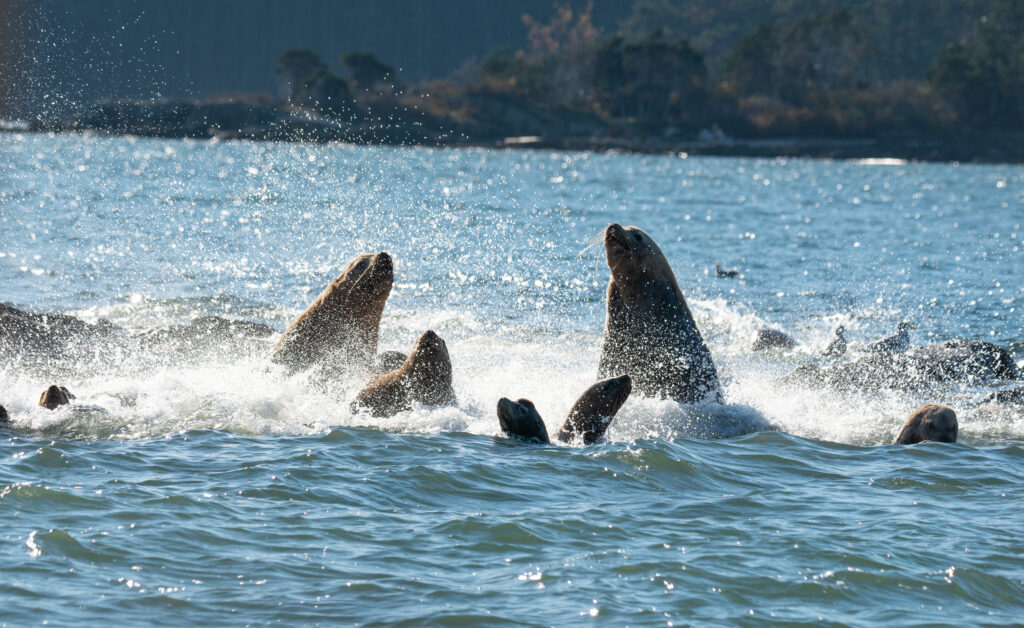
Vancouver’s coastal waters have become a vibrant playground for sea lions, captivating whale watching participants with their playful antics and distinctive barking. These marine mammals create unforgettable wildlife encounters during tours focused on observing the region’s diverse marine life.
Species and Characteristics
Two main species dominate the sea lion sightings during Vancouver whale watching excursions: California sea lions and Steller sea lions. Each offers unique viewing opportunities that enhance the marine mammal experience alongside whale encounters.
California sea lions are more numerous and frequently spotted during whale watching tours, creating a loud and chaotic atmosphere. Males of this species can reach 850 pounds (390 kg) and display a distinctive sagittal crest on their foreheads that develops during maturity.
Steller sea lions, significantly larger than their California cousins, present particularly impressive sightings when encountered during whale watching excursions. Males can reach an astonishing 2,500 pounds (1,120 kg), making them the largest of the sea lions and creating dramatic scale comparisons when spotted alongside other marine wildlife. Their golden-colored bodies and deep roars distinguish them from the darker, more barking California species.
Both sea lion species are instantly recognizable to tour participants by their external ear flaps and rotating hind flippers that allow them to “walk” on land—characteristics that differentiate them from seals.
Along the coast, sea lions are often observed engaged in thermoregulating behaviors, raising their flippers out of the water to control body temperature. This distinctive posture, creates perfect photo opportunities that tour participants eagerly capture alongside their whale sightings.
The physical abilities of sea lions impress everyone, as these pinnipeds can reach swimming speeds of up to 25 mph (40 km/h) and dive to depths exceeding 1,500 feet (450 m). These remarkable capabilities help them thrive in the same productive waters that include predators.
Colonies and Haul-Out Sites
Strategic navigational buoys and isolated rocky outcrops throughout the Strait of Georgia frequently host lounging sea lions. These man-made and natural structures have become adopted territory for these pinnipeds, demonstrating their adaptability to human presence in marine environments while providing consistent viewing opportunities.
During spring and fall migration periods, we encounter particularly impressive concentrations of sea lions as they travel between breeding and feeding grounds. These seasonal movements often coincide with prime whale watching conditions, creating exceptional multi-species marine mammal viewing opportunities.
Ecological Connections and Behaviors
Sea lions share the productive waters of Vancouver’s coast with whales and porpoises, creating fascinating ecological relationships that enhance the educational value of marine wildlife tours. Understanding these connections provides context for the diverse marine mammal sightings experienced during whale watching excursions.
Feeding and Foraging
The presence of sea lions indicates healthy marine ecosystems capable of supporting diverse predator populations. Like the whales also observed during tours, sea lions require abundant prey resources, primarily targeting schooling fish such as herring, salmon, and sardines found in British Columbia’s nutrient-rich waters.
Conservation and Viewing Ethics
Vancouver’s whale watching industry maintains strong conservation ethics that extend to all marine mammals encountered during tours, including sea lions. Understanding the challenges these pinnipeds face and how to observe them responsibly enhances the educational value of wildlife viewing experiences.
Population Status and Threats
Both California and Steller sea lions face various challenges in the modern marine environment despite their current stable population trends.
Steller sea lions have experienced significant population fluctuations, with western populations listed as endangered under the U.S. Endangered Species Act. While British Columbia’s eastern population has stabilized, these massive pinnipeds remain a species of special concern under Canada’s Species at Risk Act—conservation designations are often discussed during whale watching tours.
California sea lions maintain healthier population numbers but face their own conservation challenges, including entanglement in marine debris. These human-influenced threats provide important talking points during tours about marine conservation and ocean health.
Sea Lions and Whales: Shared Waters
During whale watching excursions, participants have the unique opportunity to observe multiple marine mammal species sharing the same productive waters. Understanding the relationships between sea lions and cetaceans enhances the educational value of these wildlife encounters.
Ecological Relationships
Sea lions and whales coexist throughout Vancouver’s coastal waters, creating fascinating ecological dynamics. Both marine mammal groups have adapted to thrive in these productive environments despite their different evolutionary paths.
Transient (Bigg’s) orcas will prey upon sea lions, creating dramatic but natural predator-prey interactions. These hunting events, while rare to witness, demonstrate the complex food web relationships that exist in the Salish sea.
Both pinnipeds and cetaceans face similar conservation challenges, including prey depletion, habitat degradation, and disturbance from vessel traffic. These shared vulnerabilities highlight the interconnected nature of marine conservation efforts that benefit all the charismatic species encountered during whale watching tours.
The seasonal movements of sea lions often coincide with whale migration patterns, creating predictable periods when diverse marine mammal viewing opportunities are at their peak. Spring and fall migrations bring concentrations of both pinnipeds and cetaceans to Vancouver’s coastal waters, making these seasons particularly rewarding for comprehensive marine wildlife tours.
Frequently Asked Questions
How often are sea lions spotted during whale watching tours?
Sea lion sightings are nearly guaranteed during Vancouver whale watching excursions. These abundant marine mammals are encountered on approximately 90% of tours operating in the Salish Sea, providing reliable wildlife highlights even when whale sightings might be more variable.
During spring and fall migrations, sea lion concentrations reach their peak as they travel between breeding and feeding grounds. These seasons offer particularly impressive viewing opportunities when large numbers gather at established haul-out sites visible from tour vessels.
What behaviors might we see sea lions exhibiting during our tour?
During your whale watching excursion, you might observe sea lions engaged in various fascinating behaviors. Vocal displays are common, with California sea lions producing their distinctive barking calls that can be heard across considerable distances.
Social interactions are frequently witnessed at haul-out sites, with sea lions jostling for position on limited shoreline space. Males may engage in territorial displays, creating dramatic wildlife viewing opportunities.
Swimming and diving activities showcase the remarkable athleticism of these pinnipeds. When observed in the water, sea lions display incredible agility, sometimes leaping completely clear of the surface—behaviors that highlight their physical capabilities during whale watching excursions.