
Majestic Migrants of the Pacific Northwest
Every spring, an incredible natural spectacle unfolds along the Pacific coast as Gray whales travel past the western shores of British Columbia. These gentle giants, weighing up to 30 tons, migrate northward from their breeding grounds in Mexico to feeding areas in Alaska. This remarkable migration creates spectacular whale watching opportunities throughout the Pacific Northwest, with excellent viewing possibilities from Vancouver.
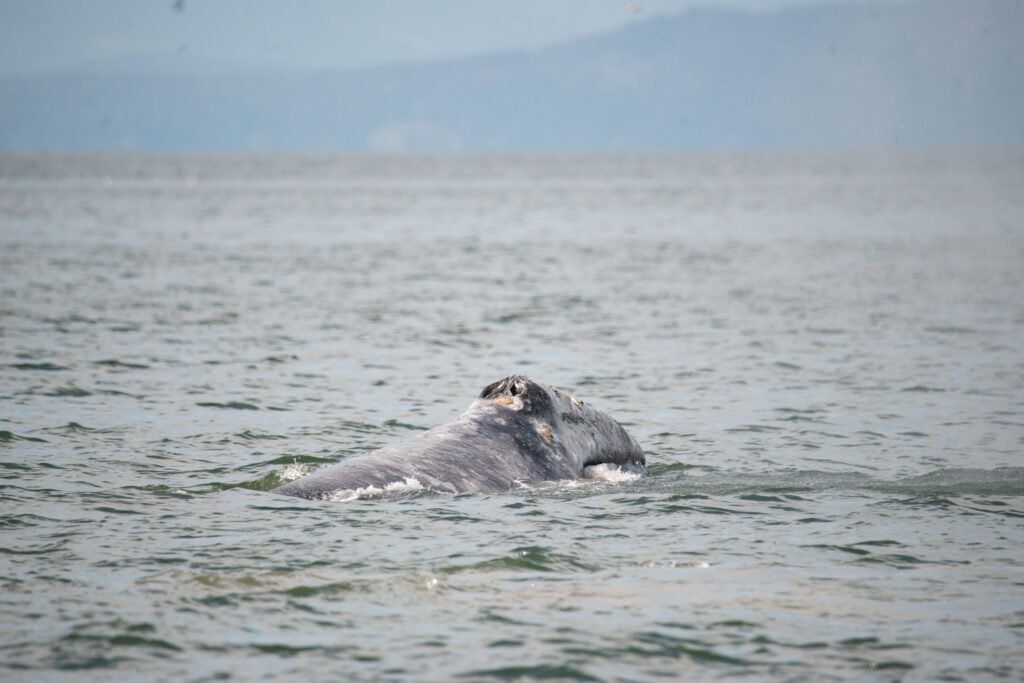
The peak of this annual migration typically occurs from March through May, offering wildlife enthusiasts and casual observers alike a chance to spot these prehistoric-looking mammals. While most gray whales continue their journey north, some remain in the rich feeding grounds throughout the summer months. Visitors to Vancouver may occasionally encounter unexpected sightings, making each whale-watching experience unique and memorable. Gray whales are known for feeding in shallow waters and are often seen in English bay just out of Granville Island.
Key Takeaways
- About 20,000 gray whales migrate past the Pacific Northwest each spring, making it an optimal viewing season from March through May.
- Vancouver offers excellent opportunities to observe these 30-ton giants during their annual journey to Alaska.
Grey Whale Migration
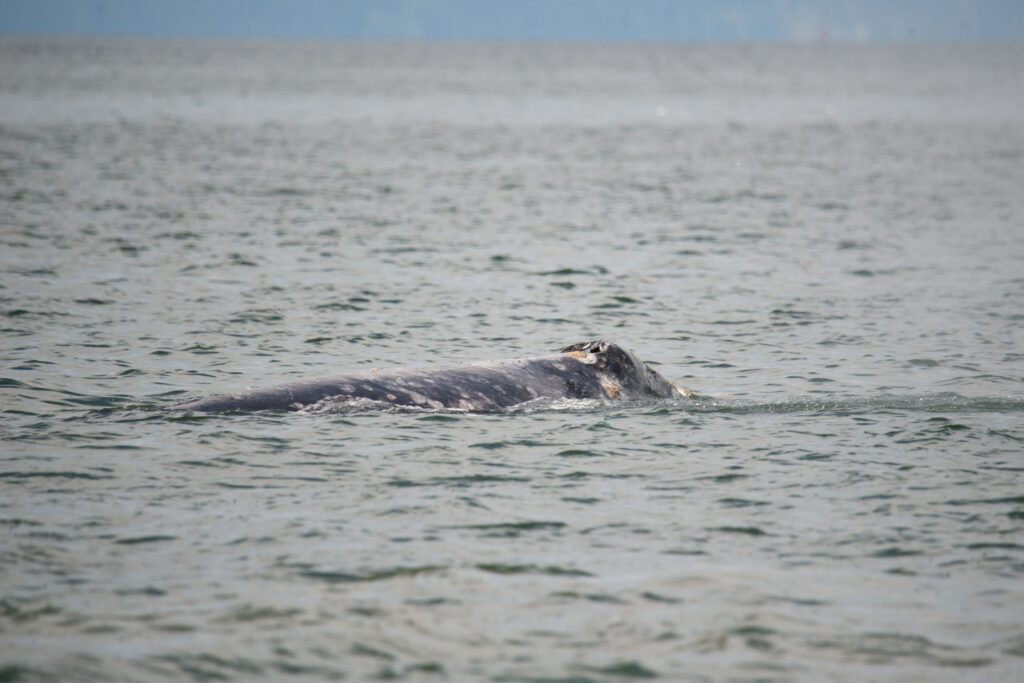
Thousands of grey whales journey along the Pacific coast every year during one of nature’s most impressive migrations. These massive marine mammals, known scientifically as Eschrichtius robustus, travel incredible distances as they move between feeding and breeding grounds, creating excellent viewing opportunities for Vancouver whale watchers.
Migration Route and Timing
The Eastern North Pacific population of grey whales makes an annual journey of 15,000 to 20,000 kilometers. This remarkable migration begins in late winter when roughly 20,000 greys leave their breeding lagoons in Mexico’s Baja Peninsula.
By late February through May, these giants swim northward along the Pacific coast. They’re headed to summer feeding grounds in the nutrient-rich waters of Alaska, passing through areas accessible to whale watching tours from Vancouver.
Some grey whales belong to a smaller group called the Pacific Coast Feeding Group. These whales don’t complete the entire journey to Alaska but instead spend summers feeding in coastal areas. Occasionally, these individuals can be spotted from Vancouver and surrounding areas.
Vancouver’s Ocean Pathways
Most grey whales stay along the outer coast of the Pacific Northwest, particularly near coastal areas with abundant marine life. Here, the continental shelf creates optimal feeding conditions that support their massive appetites.
Occasionally, some grey whales venture into more inland waters. These sightings are less common but generate excitement when they occur, offering unique opportunities for Vancouver residents to see them from shore.
Interaction with Other Species
Grey whales share the Pacific Northwest waters with several other marine mammals, creating a dynamic ecosystem. These interactions range from peaceful coexistence to predator-prey relationships.
Orcas occasionally hunt grey whale calves on the outer coast. This natural predation typically happens during the northern migration when vulnerable young whales travel with their mothers and not often up in these waters.
Humpback whales often feed in the same areas as grey whales, though they typically arrive later in the season. While both species target small prey, they specialize in different feeding techniques.
Conservation and Observation
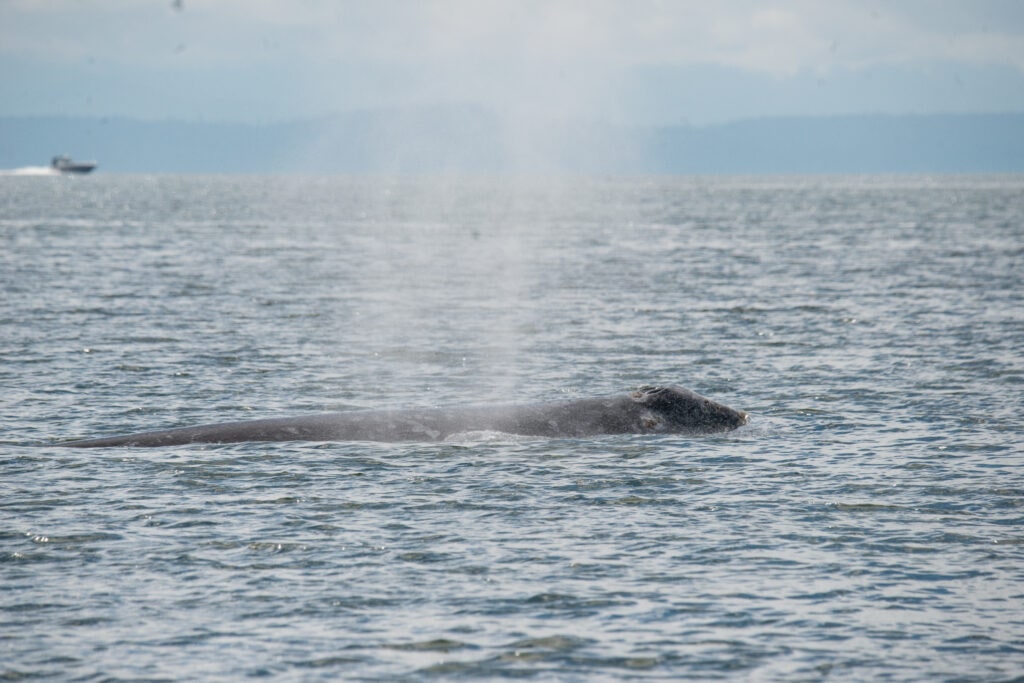
Protection Efforts
Grey whales are protected under Canada’s Species at Risk Act (SARA) and the Fisheries Act. The Committee on the Status of Endangered Wildlife in Canada (COSEWIC) regularly assesses its population status to determine conservation needs.
In recent years, researchers have been monitoring what they call an “Unusual Mortality Event” among some grey whale populations. This has led to enhanced protection measures along migration routes.
These baleen whales face threats from ship strikes, noise pollution, and entanglement in fishing gear.
Whale Watching Guidelines
Regulations require boats to stay at least 100 meters away from most whales, including greys with recreational vessels staying 400m.
Tour operators in the Vancouver area must be licensed and follow specific guidelines to minimize disturbance. They’re required to cut engines or maintain slow speeds when in proximity to whales.
Our naturalists will provide information about threats facing grey whales and how visitors can contribute to protection efforts, making your tours both entertaining and educational.
Research and Identification
Scientists identify individual grey whales through unique markings on their flukes and bodies. Long-term photo-identification studies help track their movement patterns and population trends.
Observation posts throughout the region record grey whale sightings year-round. These data points contribute to our understanding of residency patterns and habitat use.
Some grey whales return to the same feeding grounds year after year, allowing scientists to build detailed profiles of individual whales. Many have been given names and their life histories are well documented.
Frequently Asked Questions
When’s the best time of year to catch a glimpse of grey whales around Vancouver?
Grey whales are most commonly spotted around Vancouver from March through November during their migration periods. Peak sighting times typically occur in spring and fall as they travel between feeding and breeding grounds.
Are the grey whales more active during certain times of the day?
Grey whales don’t follow strict daily schedules, and will often feed periodically throughout the day. Gray whale are bottom feeders and this requires them to roll along the sea bed to stir up their food and so they are usually found in very shallow water while feeding in these waters.
Which spots are primo for spotting grey whales in the area?
The waters around Vancouver offer several excellent locations for whale watching. Gray whales will move with the tide to where the best opportunity for food is throughout the day. While feeding they will often be visible from shore while they are in the shallow waters.
Can you compare the experiences of seeing grey whales vs. humpback whales?
Grey whales tend to be more coastal creatures, often feeding in shallow waters where they roll to their sides and scoop up sediment from the ocean floor. Their feeding behavior creates distinctive mud plumes visible from above the water.
Humpbacks are known for dramatic feeding behaviors like lunge feeding, which can make for spectacular viewing. Grey whales are typically more subtle, with their mottled appearance and distinctive heart-shaped blow becoming familiar sights on the water.
While humpbacks often display their massive tail flukes when diving, grey whales sometimes simply sink below the surface. Both species offer unique and memorable encounters with Wild Whales Vancouver, but with distinctly different viewing experiences that their knowledgeable naturalists can help interpret.