
Vancouver’s coastal waters offer some of the most spectacular wildlife viewing opportunities in North America, with bald eagles providing dramatic aerial displays during whale watching excursions. These majestic birds of prey are abundant throughout the region’s marine environment, with British Columbia hosting one of the largest populations of bald eagles outside of Alaska. While orcas and humpbacks may be the headline attractions on whale watching tours, the sight of these impressive eagles soaring overhead or perched on coastal trees adds an unforgettable dimension to your marine wildlife experience.
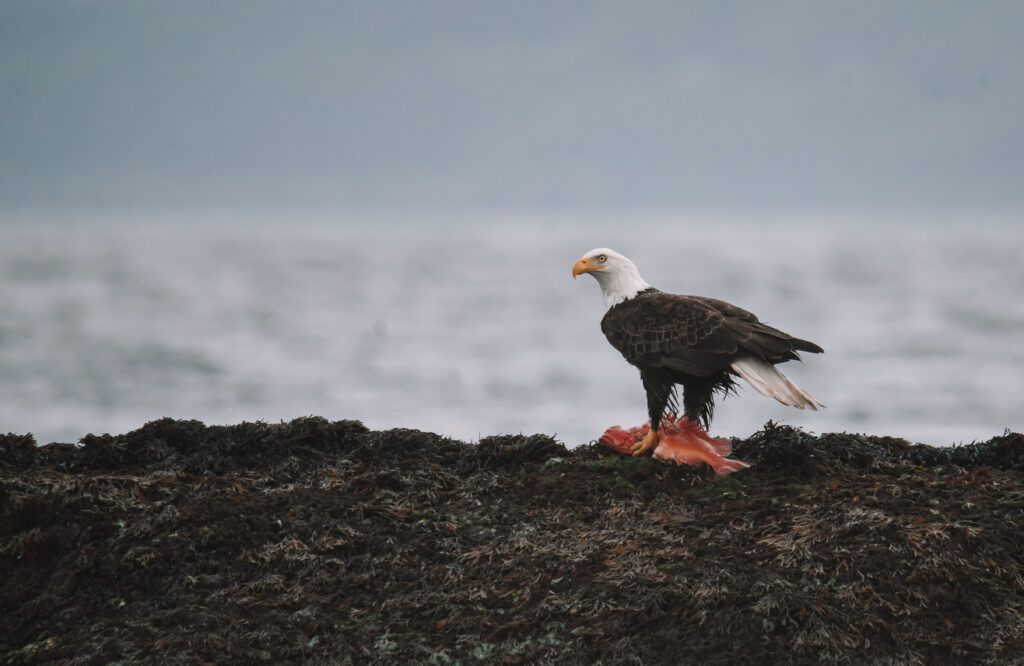
You don’t need a separate trip to appreciate these iconic birds, bald eagles are frequently spotted along the coastline and on small islands. Their impressive six foot wingspan and distinctive white head and tail feathers make them unmistakable as they patrol the same productive waters where whales and porpoises feed. The combination of magnificent marine mammals and these aerial predators creates a complete ecosystem experience that showcases the rich biodiversity of British Columbia’s coastal environment.
Coastal Hunting Grounds

Bald eagles thrive in British Columbia’s coastal environment, which provides ideal hunting conditions. These powerful birds have adapted perfectly to coastal living, with specialized hunting techniques that whale watchers often witness firsthand.
Coastal islands and rocky outcroppings passed during whale watching tours provide perfect perches from which eagles survey the surrounding waters. These elevated hunting platforms allow the birds to spot fish from considerable distances before executing precision dives.
The relationship between eagles and marine mammals creates a fascinating ecosystem. Eagles sometimes scavenge leftover fish from harbor seal or sea lion kills, demonstrating the interconnectedness of marine and avian wildlife.
Seasonal Patterns and Behavior
During summer months when whale watching tours are most frequent, eagles are often observed bringing fish back to young at nesting sites visible from the water. Juvenile eagles, identified by their mottled brown plumage, will be visible alongside some adults.
Winter brings increased eagle concentrations to coastal areas as they follow salmon runs. December through February whale watching excursions often coincide with impressive gatherings of eagles along shorelines and rivers that empty into the ocean.
Eagles display fascinating social behaviors, including aerial courtship displays where paired birds lock talons and spiral toward the water. These dramatic interactions demonstrate the complex social structure of these typically solitary hunters.
Seasonal changes in marine mammal behavior also influence eagle activity. During whale feeding frenzies, eagles often congregate nearby to take advantage of fish driven to the surface, creating spectacular multi-species wildlife viewing opportunities.
Weather conditions affect eagle hunting success and visibility during tours. On clear days, eagles soar on thermal currents high above the water, while overcast conditions bring them lower to the water level.
Conservation Success Story
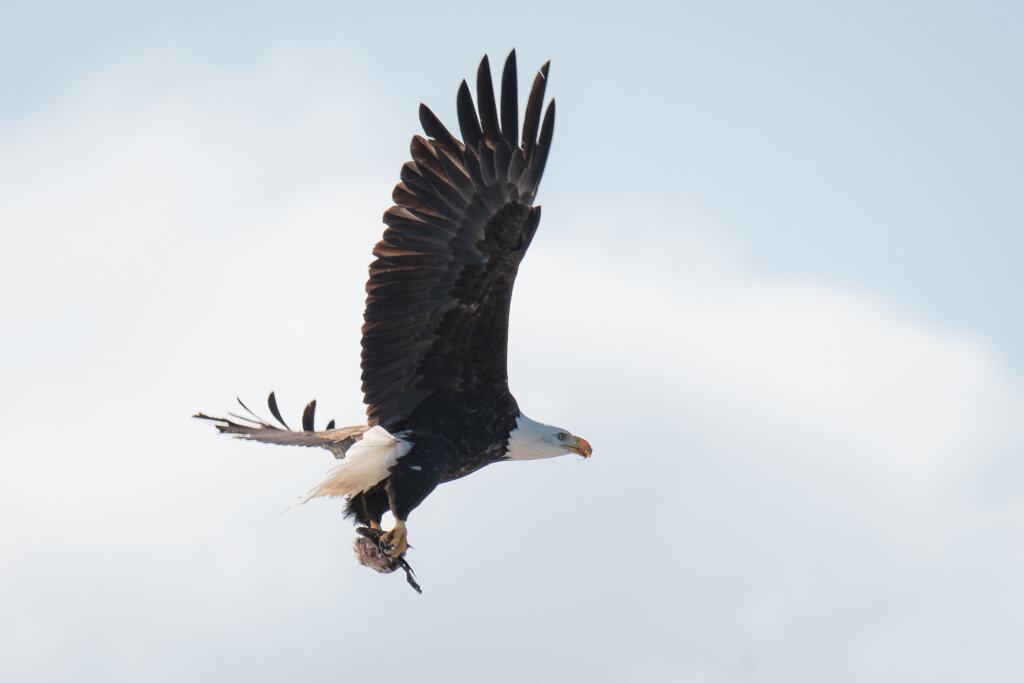
The thriving bald eagle population observed during Vancouver whale watching tours represents one of North America’s most remarkable conservation success stories. Understanding this recovery adds depth to your wildlife viewing experience.
Bald eagles faced severe population declines during the mid-20th century due to habitat loss, hunting, and DDT contamination that weakened eggshells. Their current abundance in British Columbia’s coastal waters demonstrates the effectiveness of protection efforts.
Conservation measures that protected both eagles and their critical habitat have allowed populations to rebound dramatically. Today, the birds seen during whale watching tours represent generations that have flourished under these protections.
The recovery of bald eagles parallels similar conservation successes with marine mammals like humpback whales. Both species faced historic threats but have rebounded under protection, creating the wildlife-rich environment enjoyed during your tour.
The bald eagle’s recovery demonstrates the resilience of nature when given proper protection. Your whale watching experience supports ongoing conservation by fostering appreciation for these magnificent birds and the marine mammals that share their coastal home.
Frequently Asked Questions
How often are bald eagles spotted during whale watching tours?
Bald eagle sightings are extremely common during Vancouver whale watching excursions, with most tours encountering multiple eagles. During summer months, sightings are nearly guaranteed as resident eagles fish in the same waters where tours operate.
The frequency increases during winter months when migratory eagles join the resident population. December through February tours often report dozens of eagle sightings along the coastline and near river mouths.
How can I identify juvenile bald eagles?
Young bald eagles lack the distinctive white head and tail feathers that make adults so recognizable. Juvenile eagles are primarily dark brown with mottled white patches on their wings and bodies.
Eagles don’t develop their full adult plumage until they’re about five years old. During whale watching tours, you’ll often spot eagles at various stages of maturity, from all-dark first-year birds to those showing increasing amounts of white as they age.
What other birds might we see during whale watching?
You can also spot great blue herons, Canada goose, cormorants, oyster catchers, kingfishers, guillemots, surf scoters, rhinoceros auklets, grebes, murrelets, many duck species, and the occasional pelican!