
How You Can Help Save These Amazing Marine Mammals
Orcas, the magnificent black-and-white marine mammals also known as killer whales, face significant threats in today’s oceans. These intelligent creatures are struggling with declining prey populations, particularly the Southern Resident killer whales of the Pacific Northwest, whose primary food source—the Chinook salmon—has decreased dramatically in recent decades. Orca conservation efforts are critical to prevent extinction, especially for endangered populations like the Southern Residents, which now number fewer than 75 individuals.
It is important to note that Wild Whales Vancouver does not view Southern Resident orca on our tours due to their Critical Endangered Status. We welcome questions and discussions on how we can best protect and help their population and provide multiple sources where you can gain more knowledge on this population.
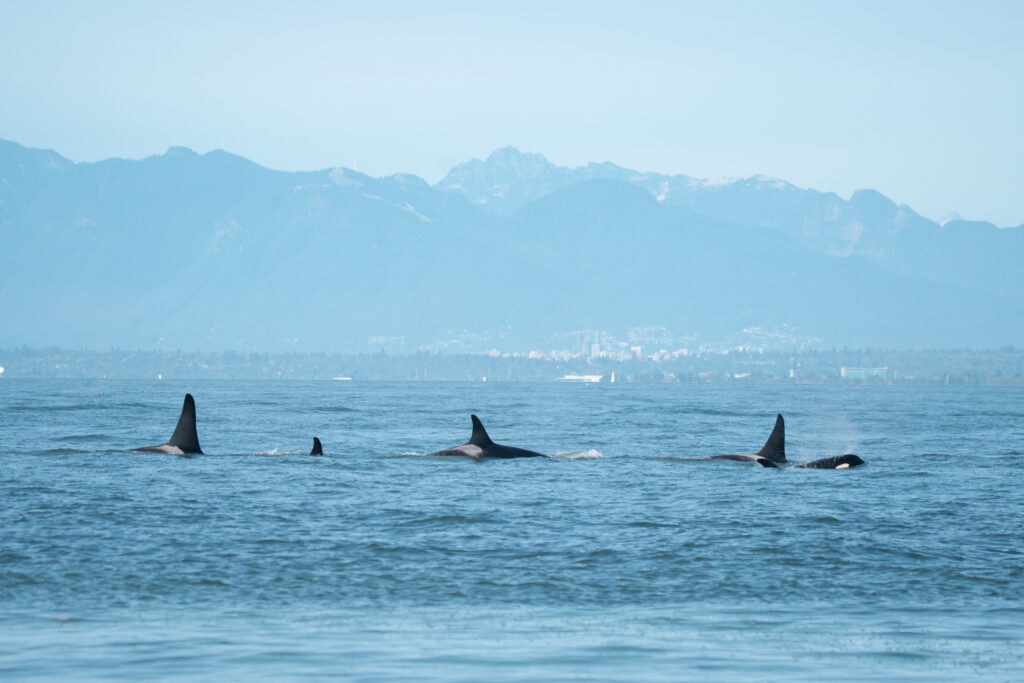
Environmental challenges, including ocean pollution, underwater noise from vessels, and habitat degradation, continue to impact these magnificent animals. Organizations like Centre for Whale Research and government agencies, are implementing protective measures such as vessel regulations, habitat restoration, and educational programs to help these iconic marine mammals recover. If you’d like to support orca conservation and learn more about our endangered Southern Residents
Key Takeaways
- Southern Resident killer whales face critical endangerment due to declining salmon populations, noise pollution, and contaminated waters.
- Conservation organizations are working to protect orca populations through research, advocacy, and habitat protection initiatives.
- Government regulations and public awareness play vital roles in creating safer marine environments for orcas to thrive.
Conservation Challenges
Contaminants and Pollution
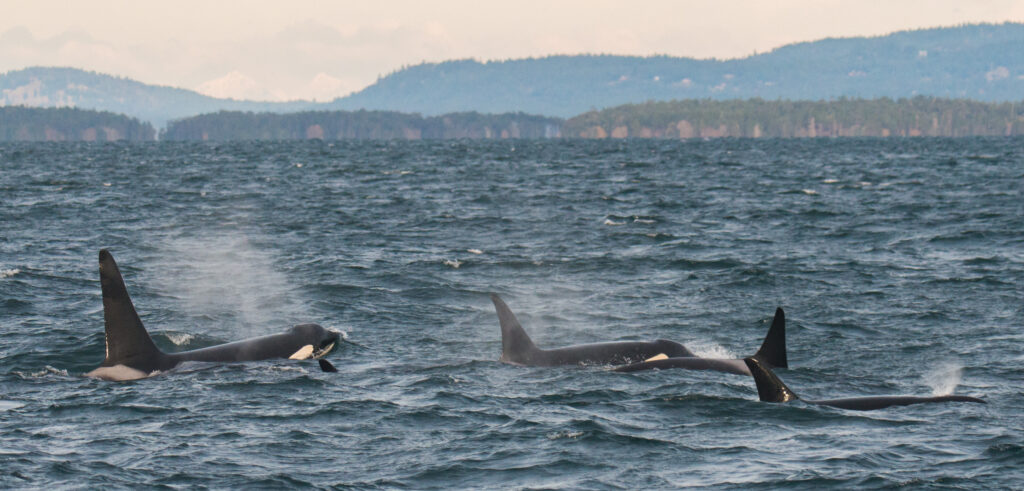
PCBs, heavy metals, and other toxic chemicals have turned orca blubber into storage sites for harmful pollutants. These contaminants affect orca health and reproductive success, with calves receiving high doses through their mothers’ milk.
Southern Resident killer whales carry some of the highest contamination levels of any marine mammals. When food becomes scarce, these toxins are released from fat stores into the bloodstream, potentially causing immune and reproductive problems.
Transient orca are apex predators at the top of the food chain and therefore are subject to contaminants that are transferred through the food chain, leading to high levels of contamination.
Prey Availability
Chinook salmon declines hit Southern Resident killer whales particularly hard. These orcas specialize in hunting Chinook, which have dwindled due to overfishing, habitat loss, and dam construction.
Studies show a direct correlation between salmon abundance and orca survival rates. During years with poor salmon returns, researchers observe increased nutritional stress in orcas, resulting in lower birth rates and higher mortality rates.
Transient orcas who feed on marine mammals have had a spike in sightings and population numbers within the Salish sea over the past 5-6 years mainly due to the abundance of marine mammals available to them in the area, demonstrating the importance of available prey on a whole population.
Noise Disturbance
Underwater noise pollution seriously disrupts orca communication and hunting abilities. There are voluntary vessel slowdowns in key feeding areas, reducing noise levels during critical hunting periods. However, growing marine traffic continues to increase the overall acoustic footprint in orca habitats.
Wild Whales will always cut speed and engine noise when around any marine life in order to not disturb or add any additional noise pollution to the wildlife in the area. Numbers have shown that boats travelling slower dramatically decreases the noise disturbance under the water.
Initiatives and Recovery Efforts
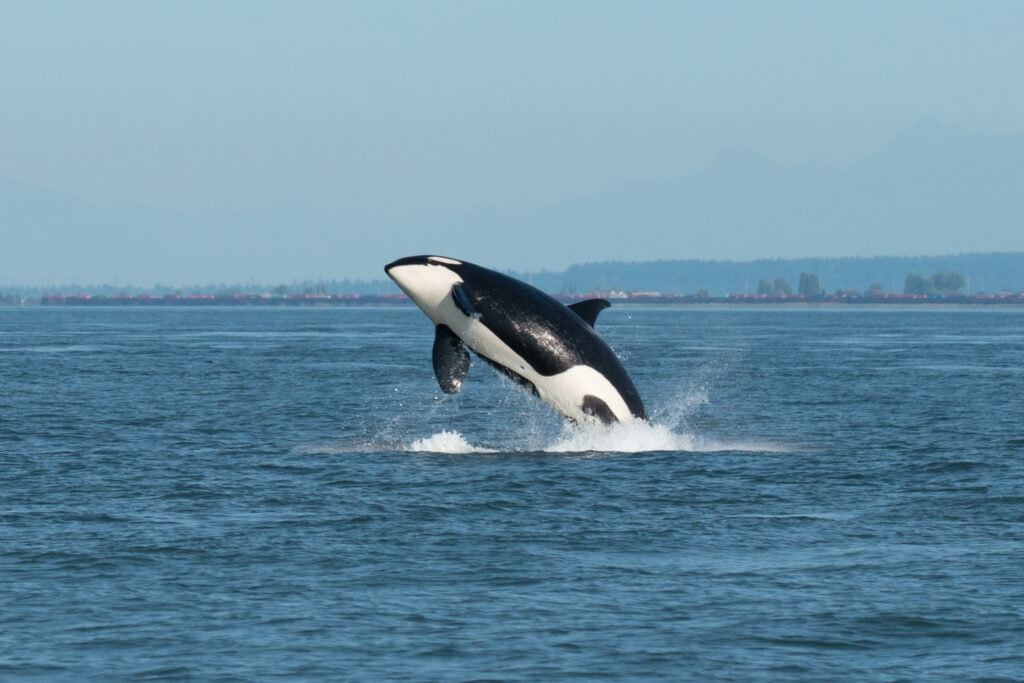
Several organizations and governments have launched targeted programs to protect the endangered Southern Resident killer whale population. These initiatives address key threats like prey availability, vessel disturbance, and habitat contamination through collaborative approaches.
Government Actions
The Government of Canada is actively working to protect and support the recovery of endangered whale populations through dedicated initiatives. In 2008, NOAA Fisheries developed a comprehensive Recovery Plan specifically for Southern Resident killer whales to identify and address major threats to the species.
The Enhancing Cetacean Habitat and Observation (ECHO) Program represents another key government initiative. It aims to reduce underwater noise in critical orca habitats, especially shipping lanes that overlap with important feeding areas.
Community and Indigenous Programs
Indigenous peoples have taken a leading role in orca conservation, bringing traditional ecological knowledge to modern protection efforts. Many tribes in Washington and First Nations in British Columbia have established their own monitoring programs to track orca populations and behaviors.
Local communities along the Pacific Northwest coast have organized citizen science projects to document whale sightings and behavior. These grassroots efforts help scientists gather more data while raising awareness about conservation needs.
Orca Conservancy works on various projects addressing threats facing Southern Resident killer whales. Their approach integrates scientific research with community advocacy, often partnering with Indigenous groups who have cultural and spiritual connections to these animals.
Research and Monitoring
Scientists track orca populations through photo identification, acoustic monitoring, and satellite tagging. These methods help researchers understand population dynamics, feeding patterns, and habitat use throughout the year.
Research teams analyze fecal samples to assess nutritional status and stress hormone levels in different pods. This non-invasive approach provides valuable health data without disturbing the animals.
Biologists study prey availability, particularly focusing on Chinook salmon populations that Southern Residents depend on. This research helps identify critical feeding areas and informs habitat protection priorities.
Public Education and Awareness
Whale watching companies have developed responsible viewing guidelines to minimize disturbance while still allowing people to appreciate these magnificent animals. Many operators now serve as education platforms, teaching tourists about conservation challenges.
Interactive museum exhibits and interpretive centers along the coast provide immersive learning experiences about orca populations, with special focus on the endangered Southern Residents.
Frequently Asked Questions
How can I get involved in orca conservation efforts?
Getting involved in orca conservation is easier than you might think! You can start by volunteering with organizations dedicated to marine mammal protection and research.
The Center for Whale Research offers opportunities for those interested in whale biology and conservation. They receive many inquiries about career paths in this field.
What programs are available for protecting orca habitats?
Several programs focus specifically on protecting critical orca habitats around the world. These include marine protected areas, coastal monitoring initiatives, and pollution reduction efforts.
In Canada, the government has implemented an Interim Order for the Protection of Killer Whales in Southern British Columbia waters. These measures aim to reduce noise disturbance in orca habitats.
Conservation organizations also run programs to protect salmon populations, which are vital food sources for many orca communities.
What are some resources to learn more about orca conservation?
There are many great learning tools and resources to learn more about the threats and conservation efforts of both our Transient and Resident orcas. To learn more visit the below sources: