
Where to Spot these Majestic Marine Mammals
Orcas, also known as killer whales, are a magnificent sight along the Pacific Northwest coastline. These impressive marine mammals frequently visit the waters around Vancouver, offering incredible opportunities for both locals and tourists to witness these intelligent creatures in their natural habitat. Vancouver has become one of the premier destinations for orca watching, with peak viewing seasons running from April to October, when sightings are most frequent.
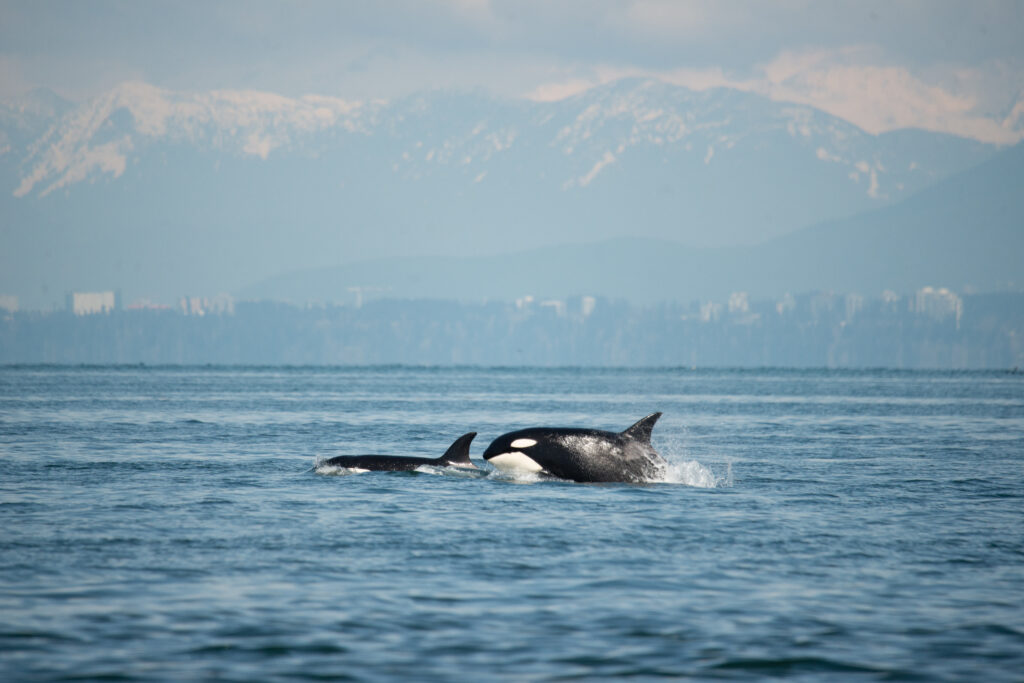
Bigg’s orcas, also known as transient killer whales, are the most commonly encountered orca ecotype in the waters around Vancouver and the Salish Sea. Unlike fish-eating Resident orcas, Bigg’s orcas are marine mammal hunters, preying on seals, sea lions, and porpoises. Their population has been steadily increasing in recent decades, making sightings more frequent throughout the region.
These orcas travel in small, fluid family groups, often consisting of a mother and her offspring. They are known for their quiet, stealthy behavior, using minimal vocalization to avoid alerting prey. Bigg’s orcas rely on coordination and patience when hunting, sometimes working together to isolate and capture marine mammals.
Ranging from California to Alaska, Bigg’s orcas move continuously in search of food and can be seen in the Salish Sea throughout the year. Each encounter offers a unique opportunity to observe their powerful hunting strategies and complex social dynamics in the wild.
Exploring Vancouver’s Marine Ecosystem
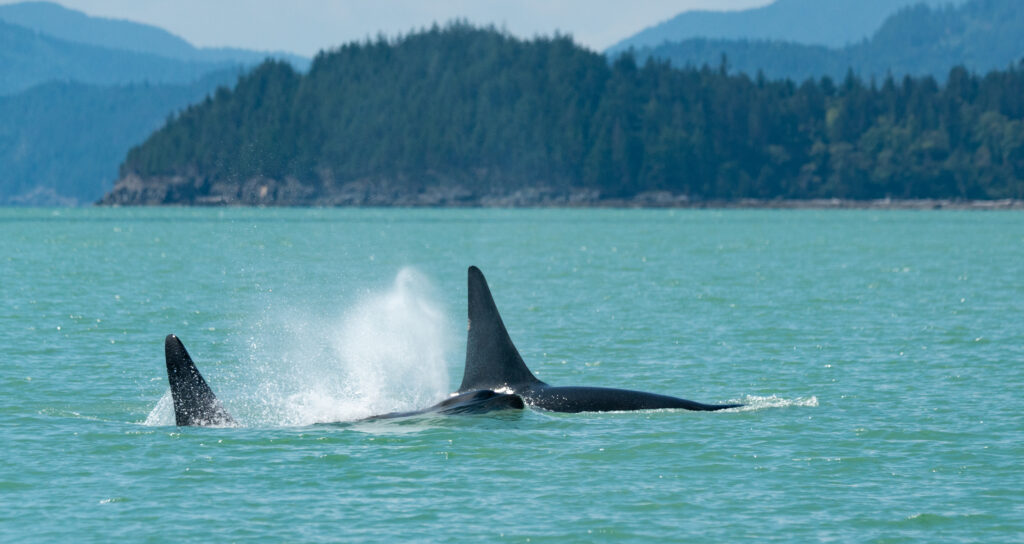
The waters surrounding Vancouver are part of the rich and dynamic Salish Sea ecosystem, supporting a wide range of marine life, including multiple orca populations. This interconnected food web creates ideal conditions for predators like orcas to thrive, with abundant prey and diverse habitats shaping their behavior.
Within this environment, different orca ecotypes have evolved highly specialized hunting strategies. Bigg’s (transient) orcas, commonly encountered on our tours, are marine mammal hunters that rely on stealth and coordination to pursue seals, sea lions, and porpoises. Their movements throughout the Salish Sea are closely tied to the distribution of this prey, making each encounter unique.
Our experienced naturalists provide in-depth interpretation of these behaviors, helping guests understand not only how orcas hunt and move through their environment, but also how they fit into the broader ecosystem. From nutrient cycles to predator-prey dynamics, each tour offers insight into the complexity and balance of life in these coastal waters.
Beyond orcas, British Columbia’s marine ecosystem supports an incredible diversity of wildlife. Sightings often include humpback whales, bald eagles, harbour seals, Steller sea lions, and a variety of seabird species, all thriving within this productive environment.
Conservation efforts focus on protecting critical habitats and maintaining healthy prey populations. Wild Whales Vancouver contributes to ongoing research by documenting whale sightings and behaviors during daily tours, as well as supporting conservation initiatives through a portion of each ticket sold—helping to ensure the long-term protection of these remarkable marine species.
Biggs Vs. Residents
Two distinct populations of orcas can be found in the waters around Vancouver: Resident and Transient (Bigg’s) orcas. While they may appear similar at a glance, they differ significantly in behavior, diet, and social structure, differences that our team is trained to identify and interpret during each tour.
Southern Resident orcas primarily feed on Chinook salmon and travel in larger, stable family groups. They are highly vocal, using complex calls to communicate and coordinate within their pods. Due to their critically endangered status, Wild Whales Vancouver does not view Southern Residents. If they are encountered, sightings are reported and vessels respectfully move on to minimize disturbance.
Bigg’s (Transient) orcas, on the other hand, are the ecotype we encounter on our tours and are thriving in the Salish Sea. These orcas hunt marine mammals such as seals, sea lions, and porpoises, and have developed quiet, stealth-based hunting techniques to avoid alerting their prey. They travel in smaller, more fluid groups and cover large distances in search of food and can range anywhere from South Alaska to North California throughout the year. These whales are not migratory and so can be found in our waters all through the year.
Understanding the differences between these two populations offers valuable insight into the complexity of the marine ecosystem and highlights the importance of responsible wildlife viewing and conservation efforts in British Columbia’s coastal waters.
If you would like to learn more about the struggles that our SRKW face and to learn how you can help, please visit https://www.orcabehaviorinstitute.org/ https://www.whaleresearch.com/
Our Whale Watching Tours
Our whale watching tours departing from Granville Island and explore key feeding and travel areas throughout the Salish Sea, including the Strait of Georgia, Howe Sound, and the Gulf Islands.
Tours last between 3-5 hours, giving ample time to spot these magnificent creatures in their natural environment.
Our tours include a whale sighting guarantee, reflecting both the richness of the local marine ecosystem and the experience of our expert guides. This commitment ensures guests have the best possible opportunity to encounter whales while exploring the waters of the Salish Sea.
Guests can choose between a range of vessel styles to suit their preferred experience. Larger covered catamarans offer comfort, stability, and protection from the elements, while smaller zodiac vessels provide a faster, more immersive adventure closer to the water. Both options are designed to maximize wildlife viewing opportunities in a safe and respectful manner.
Frequently Asked Questions
What’s the best time of year to spot orcas around Vancouver?
The prime season for orca watching around Vancouver runs from April through October. During these months, the chances of spotting these magnificent creatures are significantly higher due to the lighter winds and more eyes on the water.
Summer months (May-September) offer the best combination of good weather and whale activity. This is when our transient orcas are frequently sighted as well as our humpback whales visiting for their feeding season.
Are we guaranteed to see Orcas?
No. While we try our best on each of our trips to find both orca and humpback whales, as our orcas are continuously travelling and on the move there are some days where there are none in our area of operation in the Salish sea. While orca make up the majority of our sightings each season our humpback whales have also been increasing in sightings each season and in Autumn months sightings are usually split 50/50 with both species.
Will the whales breach?
As we are out searching for wild animals we can never predict their behaviour or even where we will find them. Just as we need to rest, so do the orcas. On one of our tours you could observe them resting, hunting, socialising or travelling.
How close can we get to the whales?
All vessel operators in British Columbia must follow strict marine wildlife viewing regulations. For Bigg’s orcas, boats maintain a minimum distance of 200 metres and typically observe for 45–60 minutes depending on conditions and animal behaviour. These guidelines are in place to ensure respectful, low-impact viewing, prioritizing the safety and well-being of the whales while allowing guests to observe natural behaviours without disturbance.