
What You Need to Know
Whale watching has become a beloved activity for nature enthusiasts and tourists alike, offering a chance to see these magnificent marine creatures in their natural habitat. Regulations require viewers to maintain a distance of at least 200 yards/meters from most whale species, including humpbacks and greys as well as reduce your vessel speed to under 7 knots when in their vicinity, and never chase, encircle, or separate whales from their pods. These viewing distance guidelines are designed to protect these incredible animals while still allowing people to enjoy meaningful wildlife encounters.
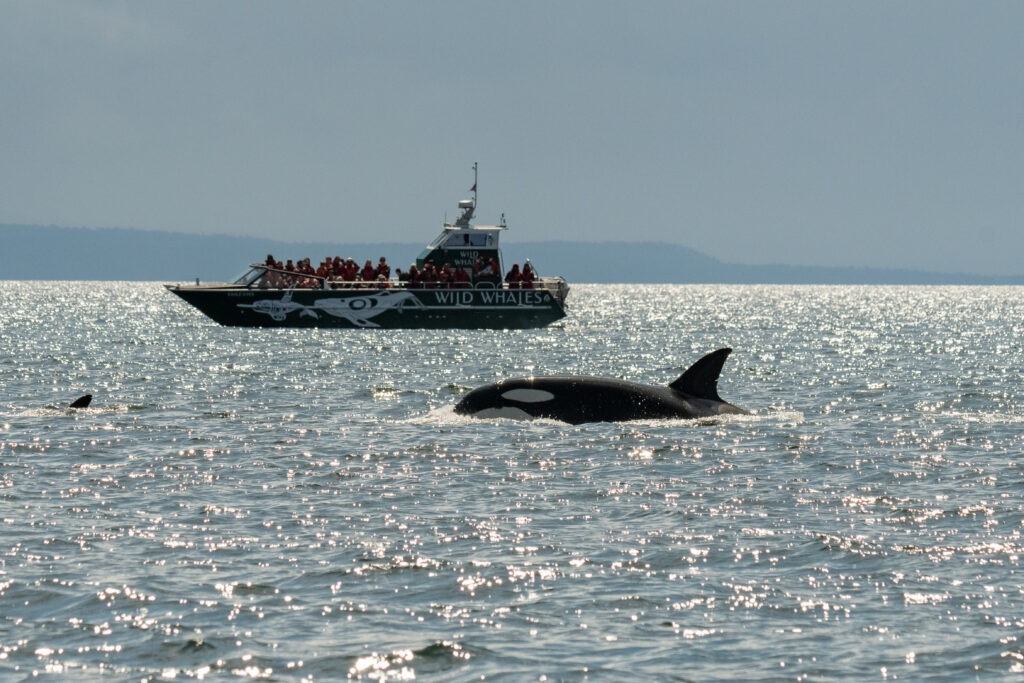
The Salish sea has some of the clearest wildlife regulations surrounding our wildlife viewing. There are minimum distance requirements for each vessel to maintain from whales at all times while on the water as well as time limits to view the whales and vessel speeds while travelling around whales. These guidelines and regulations are in place to protect these wonderful animals but also to protect the humans too as these are incredibly large and powerful creatures.
Protective measures are essential for the long-term survival and care for these animals. Conservation agencies have implemented various whale-watching regulations that balance tourism interests with conservation needs. Beyond distance requirements, other common rules include limiting viewing time to 60 minutes maximum and following specific approach guidelines that minimize disturbance to these sensitive marine mammals. While members of the PWWA (Pacific whale watch association) are authorized to approach at a minimum distance of 200m for Transient orcas and 100m for Humpback whales, recreational and other vessels must maintain a 400m distance from all whales.
Key Takeaways
- Regulations typically require keeping a safe distance of 200 yards/meters from whales and limiting viewing time to 60 minutes to minimize stress on these marine mammals.
- Whale-watching guidelines vary by location but are designed to balance ecotourism opportunities with critical conservation efforts for vulnerable species.
- Following established regulations helps ensure the long-term sustainability of whale populations while still allowing people to enjoy these magnificent ocean creatures.
Whale Watching Guidelines and Conservation Efforts
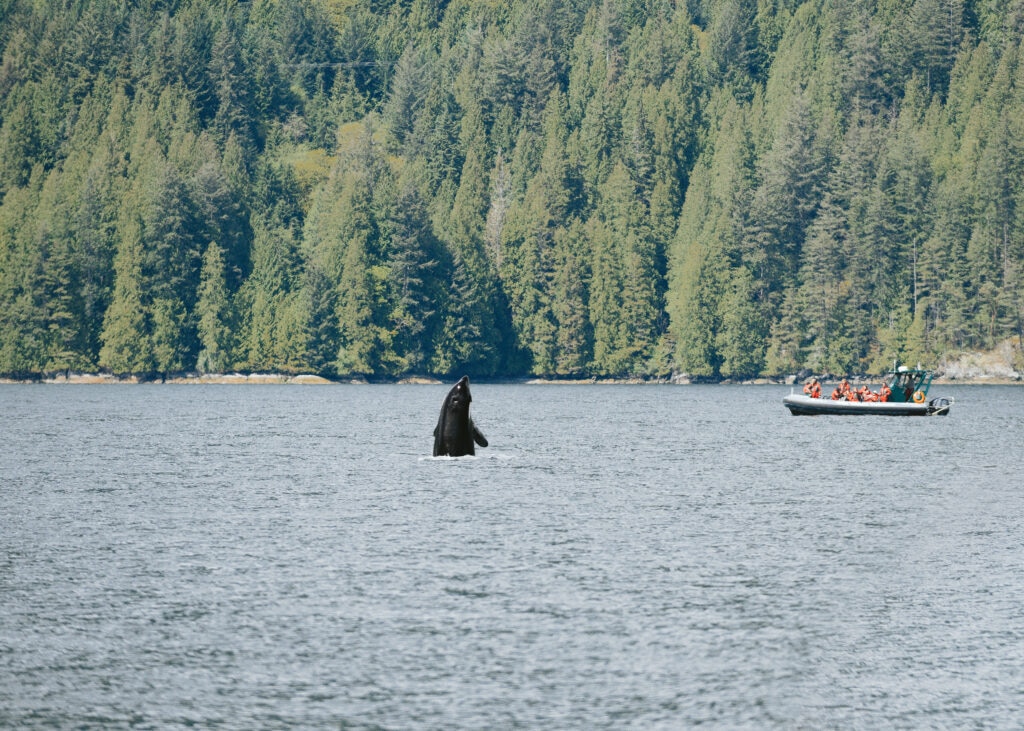
Responsible whale watching requires following established guidelines that protect marine mammals while still allowing for memorable wildlife encounters. These regulations balance tourism interests with conservation needs and vary by location and species.
Marine Mammal Regulations
Most whale-watching guidelines specify minimum approach distances to avoid disturbing these magnificent creatures. Regulations ensure we stay 100-200 metres away when whale watching and limiting viewing time to a maximum of 45-60 minutes. Recreational or similar vessels must remain 400m from all whales in BC.
When approaching whales, vessels should come from the side, not from the front or rear. Once near whales, captains decrease speed on approach to reduce underwater noise pollution.
The Pacific Whale Watch Association recommends maintaining a 200-meter distance from most whale species in the Salish Sea, including humpbacks, gray whales, and minkes.
Protected Areas and Speed Regulations
Many whale habitats have designated sanctuary zones where vessel traffic is strictly controlled or prohibited. These areas provide safe havens for feeding, resting, and calving activities essential to whale populations.
Speed-restricted zones are common in areas with high whale concentrations. Reducing vessel speed significantly decreases the risk of ship strikes, as well as additional noise pollution, major threats to large whale species.
In critical habitats, conservation agencies may implement seasonal restrictions or voluntary speed reduction programs during migration periods. These measures help protect whales when they’re most vulnerable or concentrated.
The conservation authorities have established interim sanctuary zones in key areas where Southern Resident killer whales feed.
Species Conservation and Recovery Strategies
Conservation efforts often target species at risk under various protective legislation. The Species at Risk Act provides legal protection for endangered whales like the Southern Resident killer whale population.
Conservation agreements between governments and tour operators encourage best practices beyond minimum legal requirements. These collaborative approaches help develop sustainable whale-watching industries.
Recovery strategies for at-risk whale populations often include acoustic monitoring, habitat protection, and pollution control measures. These comprehensive plans address multiple threats simultaneously.
The whale-watching industry itself can contribute positively to conservation efforts through data collection, public education, and reporting unusual whale behaviors or injured animals.
Impacts of Whale Watching
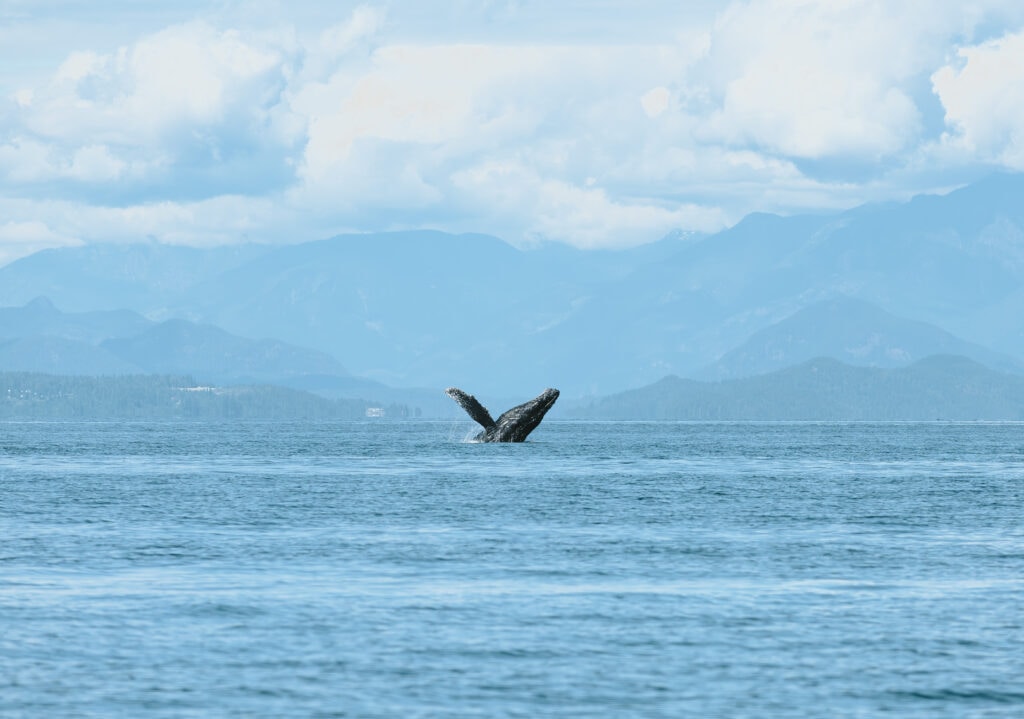
Whale watching can have both positive effects on marine life when conducted safely and ethically. Whale watching vessels are critical in busy recreational boat areas in the summer. Whale watchers take a role in alerting unaware boaters of whales in their path as well as educating on approach distances and speed regulations as well as how to best act around wildlife. Whale watchers can be seen as the most consistent eyes on the water and so are able to report any entanglements or unusual behaviour to the appropriate authorities.
Responsible Whale Watching Practices
Marine protection laws and regulations require boats to maintain safe distances from marine mammals. These rules help ensure that whales can be observed without harmful interference.
At Wild Whales we follow area-specific guidelines, which may vary depending on the species and location. In sensitive habitats, stricter rules may apply to protect vulnerable populations.
Key responsible practices include:
- Maintaining minimum distances (usually 100-200 meters)
- Approaching whales from the side, never from behind or directly in front
- Limiting observation time with any group of whales
- Moving at slow, consistent speeds near marine mammals
Responsible ecotourism creates economic incentives for conservation while educating visitors about threats like fishing gear entanglement and contaminants.
Minimizing Interference with Marine Life
Operators should coordinate with other vessels to prevent too many boats from viewing the same whales. Radio communication between captains helps manage vessel numbers around whales and other sensitive species.
No-go zones and seasonal restrictions protect critical habitats. These measures are especially important in areas where whales are feeding, calving, or recovering from population declines.
Education plays a crucial role in reducing impacts. When tourists understand why guidelines exist, they’re more likely to appreciate responsible practices, even if they mean viewing whales from greater distances.
Frequently Asked Questions
When whale watching, understanding regulations and guidelines protects both marine mammals and ensures rewarding experiences for observers. These guidelines vary by region and species, with specific rules about proximity, vessel operation, and ethical behavior.
What’s the safe distance to keep from whales during a whale-watching trip?
Regulations require maintaining at least a 100-meter distance from most baleen whales, dolphins, and porpoises. For species like our Transient orcas, the required distance increases to 200 meters, depending on the region.
These guidelines help ensure marine mammals can be enjoyed safely without causing distress. The distance also allows for any direction changes from the wildlife which ensures we can maneuver to remain at the safe distance with them.
How do the Marine Mammal Protection regulations affect whale watching?
Whale watching is governed by the Marine Mammal Regulations under the Fisheries Act. These regulations prohibit disturbing marine mammals, which includes approaching too closely, separating a group, or disrupting normal behaviors.
The rules are designed to minimize human impact on these magnificent creatures while still allowing for responsible viewing opportunities.
What guidelines should whale watchers follow to be considered ‘Whale Wise’?
Being ‘Whale Wise’ means following established guidelines for responsible wildlife viewing. This includes maintaining proper distances and approaching whales from the side, never from behind or directly in front.
Vessels should move parallel to the whales’ direction of travel at a slow, consistent speed. Avoid sudden changes in direction or speed that might startle the animals.
What regulations must be adhered to when whale watching in the Pacific Northwest?
In the Pacific Northwest, particularly stringent regulations protect the endangered Southern Resident killer whales. Whale watching vessels out of BC have agreed to not view Southern Residents at all on our tours and focus more on viewing our Transient killer whales instead. Vessels must stay at least 200 meters away from Transient killer whales other in Canadian waters.
Boats should reduce speed within 1000 meters of whales and avoid positioning themselves in the whales’ path. There are designated “No-Go Zones” where vessels cannot enter.