
Why They’re Passing Our Coast Each year
As the month of March draws to a close, the Pacific Northwest gears up for one of its most spectacular natural events – the annual whale migration. Starting in April, Humpback whales begin their journey through the coastal waters of British Columbia, offering locals and tourists alike an unforgettable wildlife experience. The whale-watching season in Vancouver runs from April to October, with peak activity occurring from May to September, when sightings are most frequent and diverse with Wild Whales Vancouver.
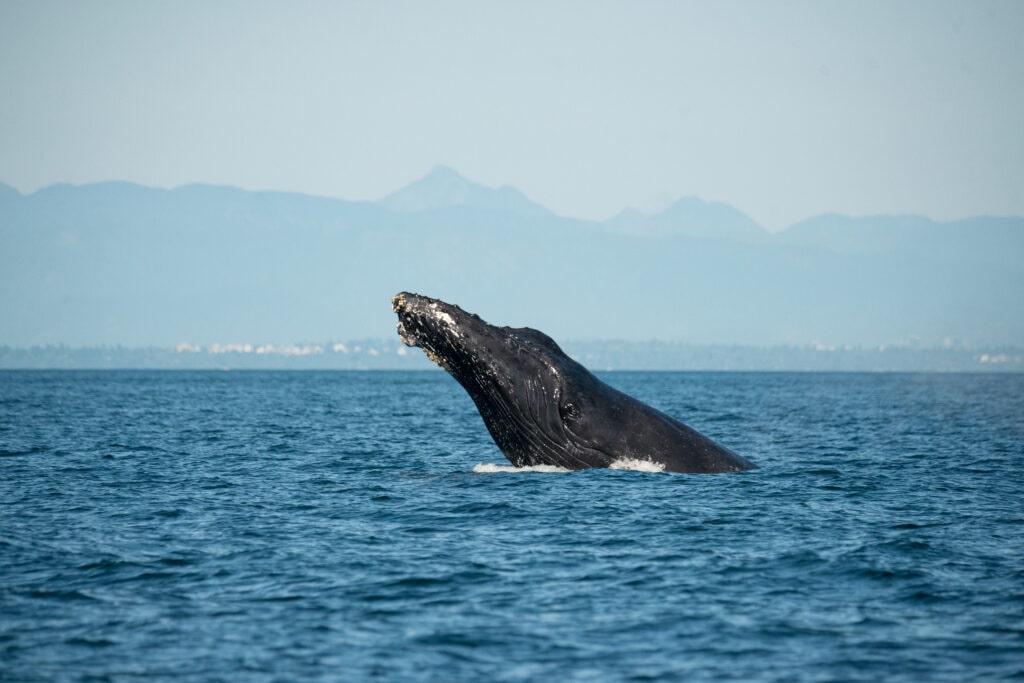
Visitors to Vancouver can witness various whale species during different times of the migration period. Grey whales make their appearance during the spring and fall migration periods, while transient orcas and humpbacks are often spotted throughout the season. Most humpback whales spend their winters in the warmer waters near Hawaii and Mexico for mating and calving before migrating to the nutrient-rich waters of British Columbia for feeding during the warmer months.
Key Takeaways
- Vancouver’s whale watching season begins in April, with different species visible throughout the six-month period with Wild Whales.
- Humpback whales migrate between warm breeding grounds and the nutrient-rich feeding waters of British Columbia.
- Peak months for Humpback viewing is May – October
Understanding Whale Migration Patterns
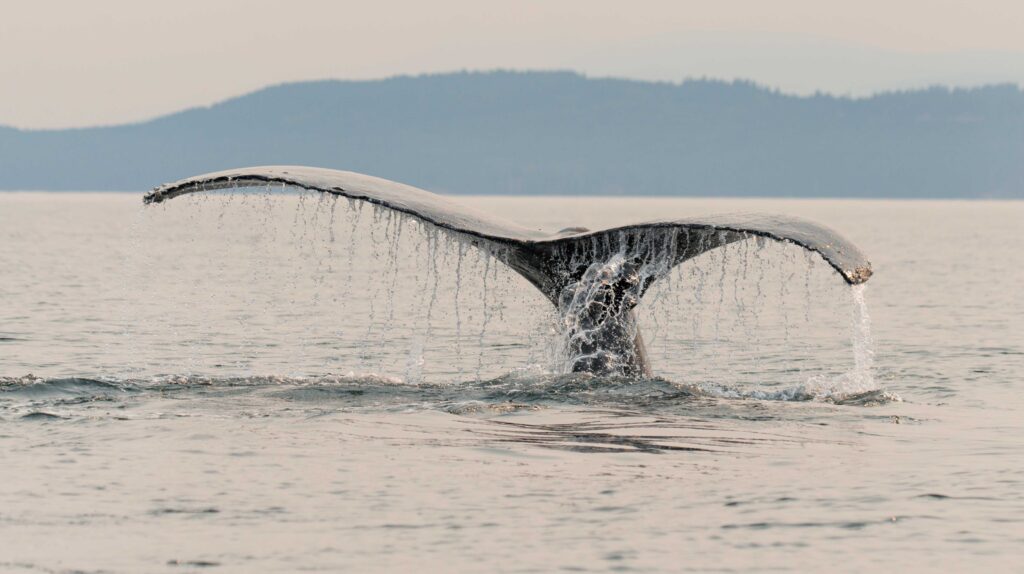
Humpback whales around Vancouver follow remarkable seasonal journeys, traveling thousands of kilometers between feeding and breeding grounds. These migrations occur at specific times of the year and involve several species that visitors can observe during whale-watching excursions with Wild Whales.
Migration Route and Timing
Humpback whale migration around Vancouver follows predictable seasonal patterns. Humpback whales migrate from their tropical breeding grounds in Hawaii and Mexico to BC waters during early spring and remain to feed for the summer before returning down to the breeding grounds again for the winter. They make this incredible 5000km journey with minimal feeding along the way.
Gray whales can travel nearly 200 km per day during their southward migration. These gentle giants navigate along the coast, sometimes visible from shore during their journey.
The whale watching season in Vancouver runs from April to October. This timing aligns with the return of many species to local waters such as humpback whales, grey whales and many species of pinnipeds, and Wild Whales Vancouver operates throughout this optimal viewing period.
Humpback whales will begin to arrive in our waters around May time when they will be focused on feeding and will remain here until October before heading back down to their breeding grounds. September – October is considered the best time for Humpback whale viewing as they are known to be energetic in hearing up for their breeding season.
Whale Species on the Move
Humpback Whales: These magnificent creatures begin their southward journey in early fall after spending summer feeding in local waters. They’re known for spectacular breaching displays during migration, which our tours frequently encounter.
Orcas: Unlike other species, transient orcas don’t undertake long migrations. They remain in the Salish Sea year-round, feeding off the local pinniped population. We have a high success rate for spotting these iconic black and white mammals throughout our season.
Gray Whales: These coastal migrants make one of the longest mammal migrations on earth. They travel between Arctic feeding grounds and Mexican breeding lagoons, passing Vancouver along their route.
Minke Whales also appear in Vancouver waters, though less frequently. Minkes make shorter migrations, and are more often seen further south in US waters.
Whale Watching in Vancouver
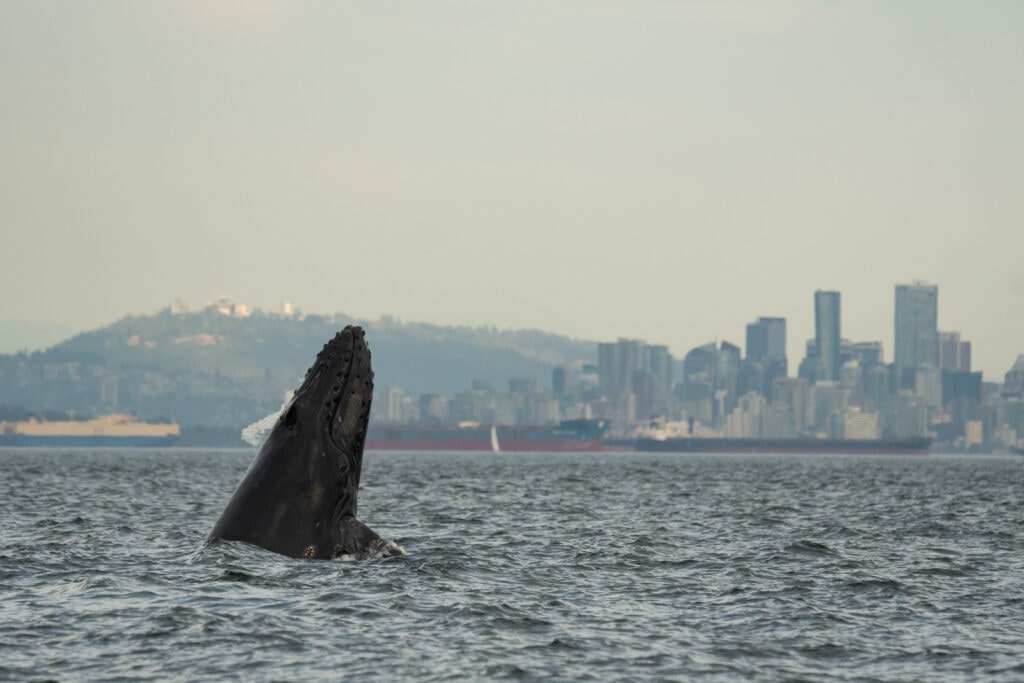
Vancouver offers some of the best whale watching opportunities on the Pacific coast, with a variety of marine mammals frequenting these waters. The whale watching season runs from April through October, with peak activity between May and September.
Best Spots for Observation
The waters around Vancouver provide excellent viewing opportunities for several whale species. Whale enthusiasts can spot magnificent orcas (killer whales), humpbacks, minkes, and gray whales, depending on the season and location.
Our tours have an impressive 95% sighting success rate for visitors hoping to catch a glimpse of these majestic creatures. The Strait of Georgia and Howe Sound are particularly fruitful areas for spotting transient orca pods and humpback whales, areas that the company’s experienced captains know well.
Our tours with also encounter other marine wildlife, including playful dolphins, seals, and sea lions that call these waters home. Harbor seals can often be spotted lounging on rocks during low tide while searching for whales.
Responsible Whale Watching
When observing these magnificent creatures, it’s essential to practice responsible whale watching ethics. At Wild whales we maintain proper distances from whales to avoid disrupting their natural behaviors and communication patterns and follow all regulations set out by authorities.
Eco-friendly whale watching practices focus on minimizing noise pollution and maintaining safe distances from the animals. We cut our speed when near whales and avoid approaching directly from the front or behind, demonstrating their commitment to whale conservation.
The best experiences balance amazing views with respect for these magnificent marine mammals and their habitat, principles that we have championed for years.
Frequently Asked Questions
When is the peak season for whale watching around Vancouver?
The whale watching season in Vancouver runs from April to October. During this period, various whale species migrate through the waters surrounding the city, creating perfect viewing opportunities.
The peak season occurs from May to September, when weather conditions are optimal and our humpback whales have completed their northern migration to these waters.
Can you provide a map that shows popular whale migration routes near Vancouver?
Transient orca pods have a broad habitat with diverse movement patterns as they follow where their food source is in large numbers. Humpback whales often travel through and also stay in the Strait of Georgia during their seasonal migrations, all routes that are on our search patterns.
We have a detailed maps available in the Wild whales office, showing these migration corridors and feeding grounds, helping guests understand the patterns and behaviors of these magnificent animals.
What are the chances of spotting humpback whales during a whale-watching trip in Vancouver?
The chances of spotting whales during a tour with Wild Whales Vancouver are remarkably high. Their success rate of 95% during peak season demonstrates our expertise in locating these magnificent creatures.
Our captains communicate with other operators to share whale sighting locations, increasing everyone’s chances of successful viewing. We even offer a guarantee where guests can return for free if no whales are spotted, showing their confidence in delivering memorable experiences.
Different whale species have varying migration patterns, and although you can see humpback whales here throughout our April – October season we consider October to be the absolute best month for viewing them.