
Where These Majestic Sea Creatures Call Home
Orcas, also known as killer whales, are among the most fascinating and adaptable marine mammals on our planet. Killer whales live in aquatic marine habitats and are found in all oceans of the world, though they appear most abundant in coastal waters. Found in every ocean on the planet, these intelligent cetaceans have a truly cosmopolitan distribution, making them one of the most widely distributed mammals on Earth after humans.
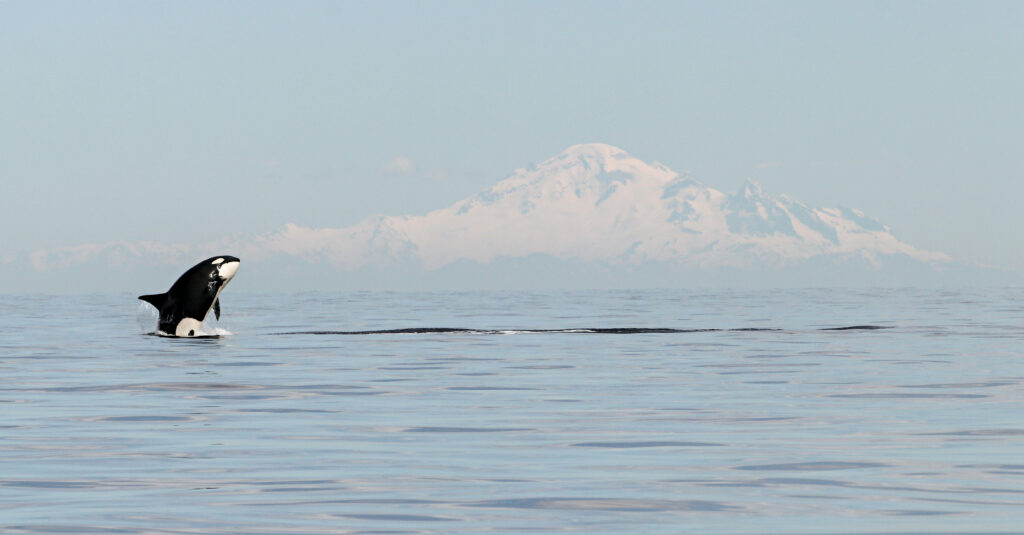
While orcas can be found globally, they seem to prefer certain regions over others. Each population will differ depending on where they are found with different Ecoytpes being found in each ocean around the world. Their impressive range demonstrates their remarkable ability to adapt to various marine environments, from icy polar regions to warmer equatorial waters. Food availability and generational knowledge will all have a role in making each of these ecotypes unique and set them apart from one another.
Key Takeaways
- Orcas inhabit all oceans worldwide, with greater concentrations in coastal areas and specific regions like the Arctic, Antarctic, and Pacific Northwest.
- These intelligent marine mammals adapt to diverse environments from frigid polar waters to tropical seas.
- Protection of critical habitat is essential for the survival and recovery of orca populations, particularly for endangered resident killer whale communities.
Habitat and Distribution
Critical Habitat and Geographic Range
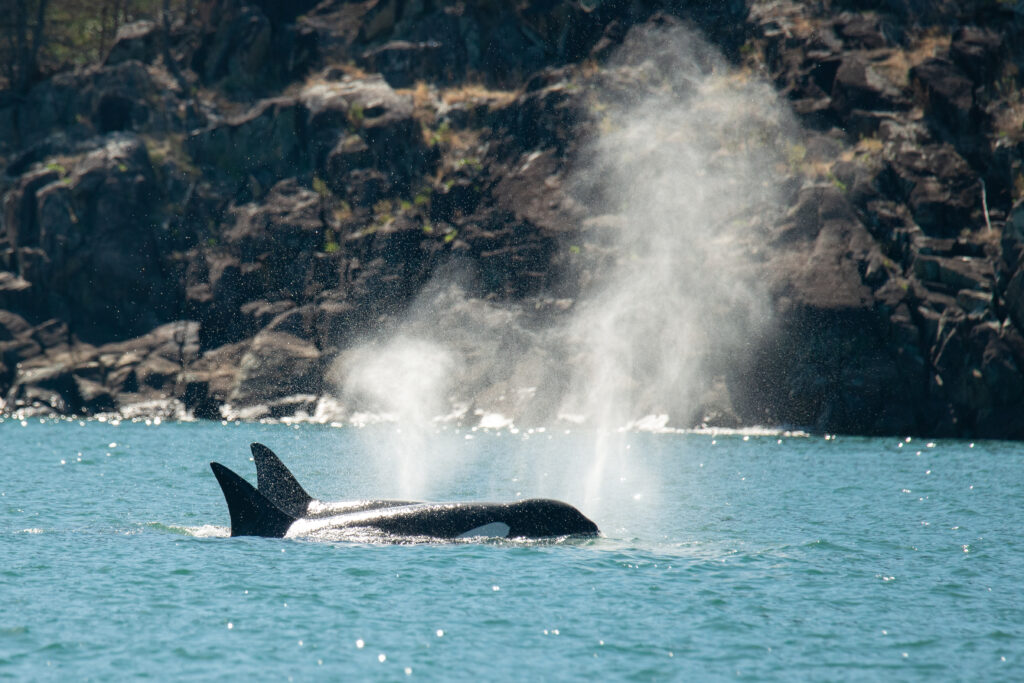
Orcas are truly cosmopolitan creatures, inhabiting all of the world’s oceans from the frigid waters of the Arctic and Antarctic to the warmer tropical seas. They’re particularly abundant in the Pacific Northwest, making the waters around British Columbia, Vancouver Island, Strait of Georgia, especially important habitats for certain populations.
The Northeast Pacific is home to several distinct orca populations, each with their own range and habitat preferences. Some orcas are known to stick to specific areas while others travel extensively, covering thousands of miles. Some ecotypes generally prefer coastal waters but other ecotypes can also be found in deep offshore regions.
Habitat Features and Prey Availability
Prey availability strongly influences where orcas choose to spend their time. Different populations have specialized diets, which directly affect their habitat selection and distribution patterns.
Southern Resident orcas in the Pacific Northwest primarily feed on salmon, keeping them close to coastal areas. With a decline in available salmon over the years there has been a decrease in their appearance in the Salish sea. Transient (Bigg’s) orcas, which hunt marine mammals, range more widely along coastlines where seals and sea lions can be found. Their population is increasing year after year due to the amount of available prey.
Orcas can navigate virtually any marine habitat, including coastal inlets, narrow channels, and even the mouths of rivers when hunting. They typically prefer water depths of 20 to 60 meters but will venture into both shallower and deeper waters when pursuing prey.
Physical Space and Environmental Factors
Orcas need sufficient space to carry out their natural behaviors—hunting, socializing, resting, and raising young. Environmental factors like water temperature, salinity, and clarity can influence their distribution patterns.
Human activities increasingly impact orca habitat through pollution, underwater noise, vessel traffic, and fishing practices that deplete food sources. Climate change is also altering traditional orca habitats by affecting prey distribution and ocean conditions.
Protected areas have been established in places like the waters off Canada and the USA to safeguard critical orca habitats, though these magnificent creatures continue to face challenges as ocean environments change.
Conservation Efforts and Challenges
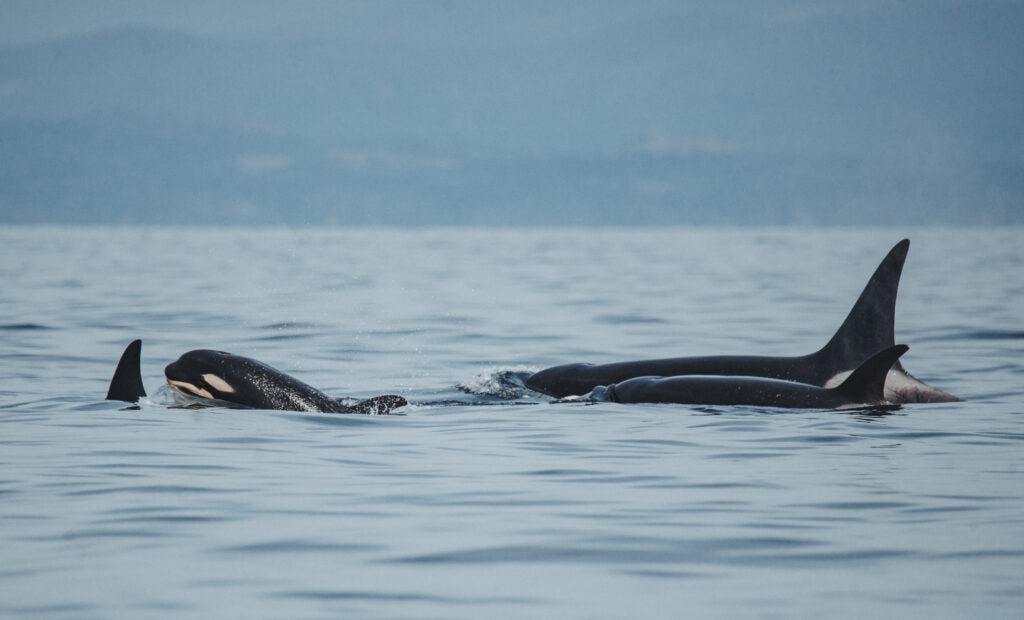
Orcas face numerous threats in their habitats worldwide, leading to significant conservation challenges. Various governments and organizations have implemented protection measures to address these threats, though effectiveness varies across different orca populations.
Endangered Species and Legal Protections
Some orca populations, like the Southern Resident Killer Whales, are protected under endangered species legislation in multiple countries. In Canada, they’re covered by the Species at Risk Act (SARA), which requires the development of Recovery Strategies for wildlife species at risk. Members of the PWWA (Pacific Whale Watch Association) including Wild Whales, do not view these whales due to their endangered status.
Threats and Environmental Concerns
Orcas face three primary threats: prey scarcity, pollution, and vessel disturbances. The declining availability of Chinook salmon particularly affects Resident populations, as they’re highly specialized feeders.
Environmental contaminants pose serious risks to all orcas. Abandoned marine toxic waste and ongoing industrial pollution concentrate in their blubber, compromising immune function and reproduction.
Vessel traffic creates noise that interferes with their echolocation and hunting. Higher concentrations of boats can force whales away from their traditional habitats.
Different populations face varying challenges. While the Southern Residents are critically endangered, while Northern Residents are somewhat more stable. Transient and Offshore populations face their own unique conservation challenges based on their distinct behaviors and habitats.
Recovery Strategies and Action Plans
Recovery strategies for orcas typically focus on multiple approaches. Protecting critical habitats and preserving prey populations are top priorities, often implemented through fishing restrictions in key areas.
Reducing marine pollution requires both the cleanup of existing contaminants and the prevention of new pollutants. Many coastal communities now have stricter regulations on waste disposal and runoff management.
Vessel management includes speed restrictions, minimum approach distances, and designated whale-watching guidelines. Some regions have implemented “no-go zones” in critical feeding areas.
Public education forms another important component, with nature conservation organizations raising awareness about biodiversity protection and orca conservation specifically. Recovery plans often include measurable targets and timelines to track progress.
Frequently Asked Questions
Where can you typically find orcas living in the wild?
Orcas are incredibly adaptable and can be found in oceans worldwide, from polar regions to tropical seas.
Orcas around the world will have different prey available to them which means over generations each individual population has evolved into expert hunters of the food source available in their area. All of this information is passed down through generations to their young.
What types of creatures share the environment with orcas?
Orcas share their habitats with numerous marine species, including other cetaceans, pinnipeds, fish, and seabirds. The specific mix depends on the region and ecosystem.
In coastal areas, orcas might encounter harbor seals, sea lions, porpoises, and various fish species. In open ocean habitats, they share space with larger whales, sharks, and pelagic fish.
What’s on the menu for orcas usually?
Orca diets vary dramatically depending on their ecotype and geographic location. Some populations specialize in hunting marine mammals like seals and sea lions, while others primarily eat fish.
Our Transient or Bigg’s orcas hunt marine mammals such as seals, sea lions, and even other whale species while Resident populations will feed on Salmon.
Other species around the world hunt rays, sharks and larger whales depending on where they are found.
What is the population of orcas around Vancouver?
Orca population status varies significantly across different regions and ecotypes. Some populations are stable or even increasing, while others face serious threats and declining numbers.
The Southern Resident killer whales are endangered, with only about 73 individuals remaining as of recent counts. Their decline is linked to diminishing salmon stocks, their primary food source.
The Transient population is thriving and is at a 3-4% increase each year showing a contrast in population survival in comparison to our Southern Residents.